Distance Vistas
 Houdini
 Snowdrop Engine
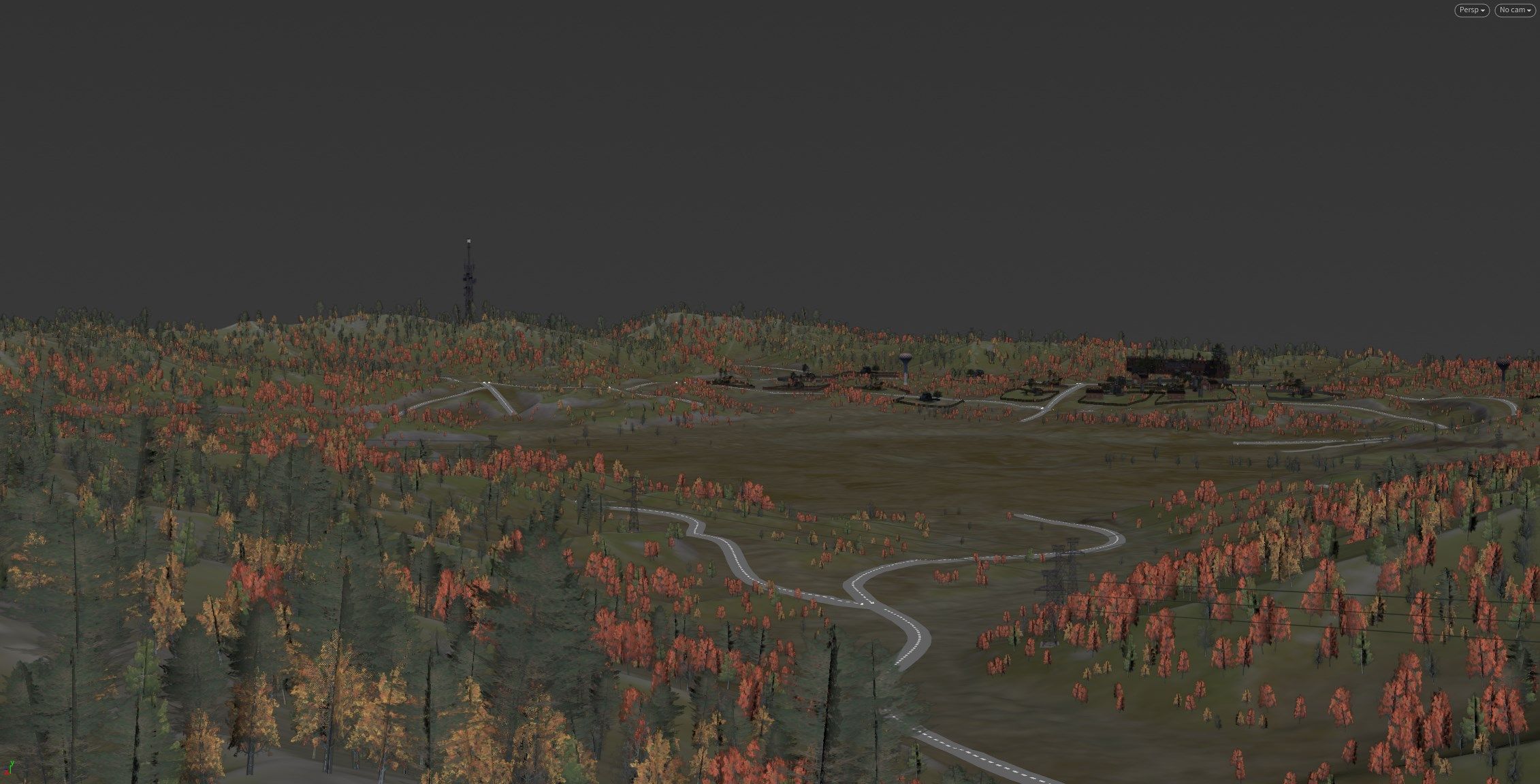
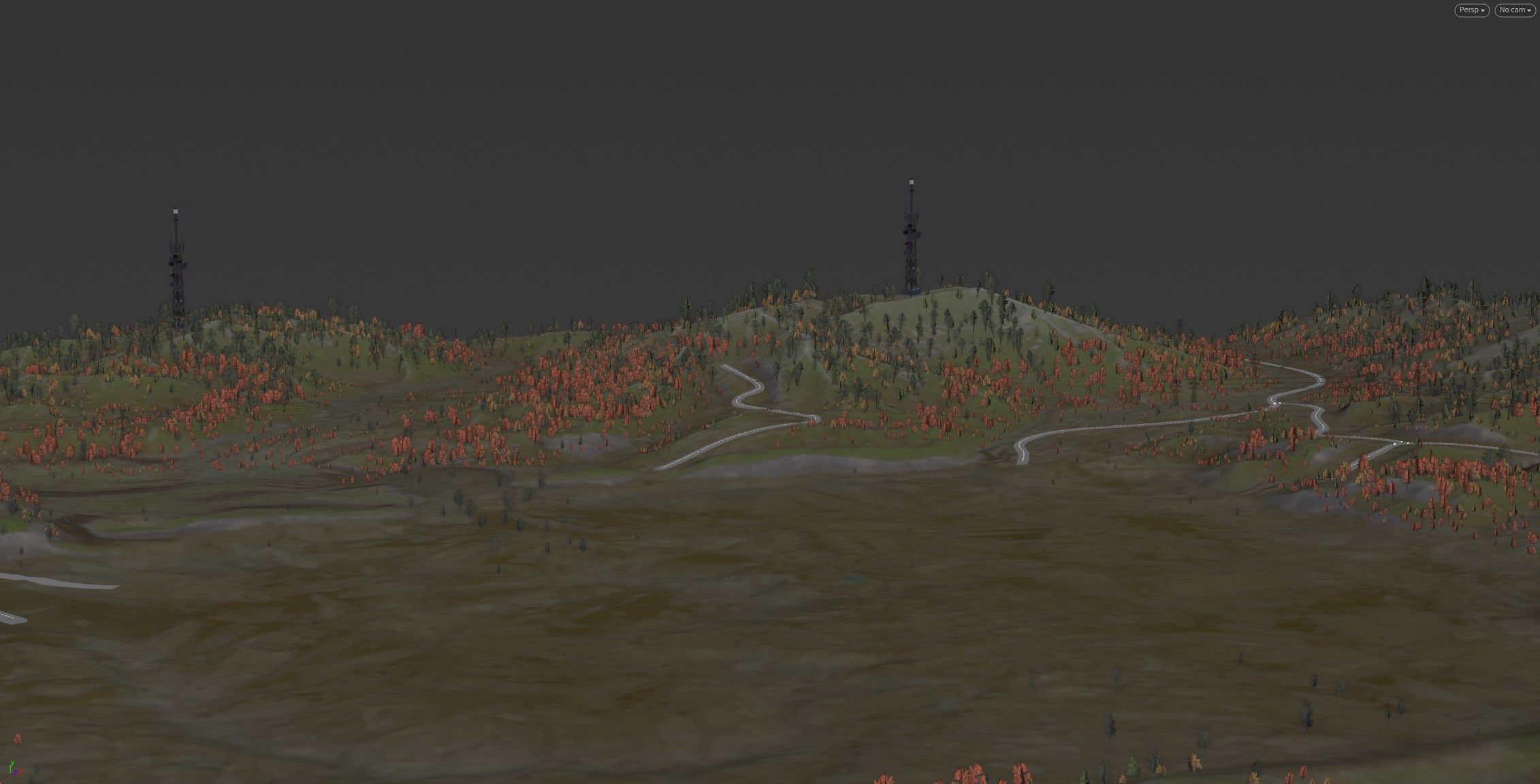
Built for The Division: Heartland, one of the biggest challenges in open-world games is making the horizon feel real — distant mountains, forests, and terrain that look like they belong to the same world the player is standing in. This system was built to solve exactly that.
World Data Pipeline
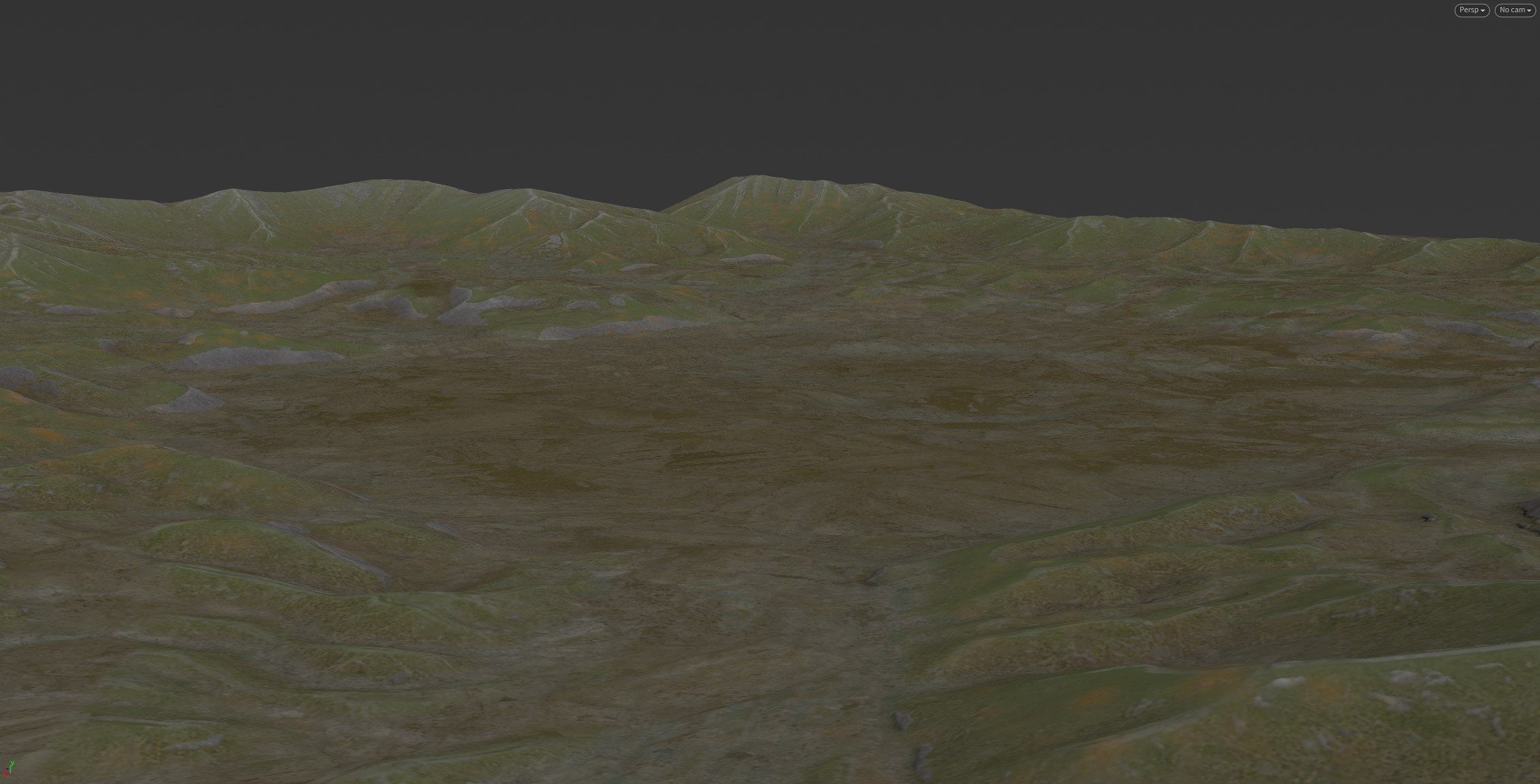
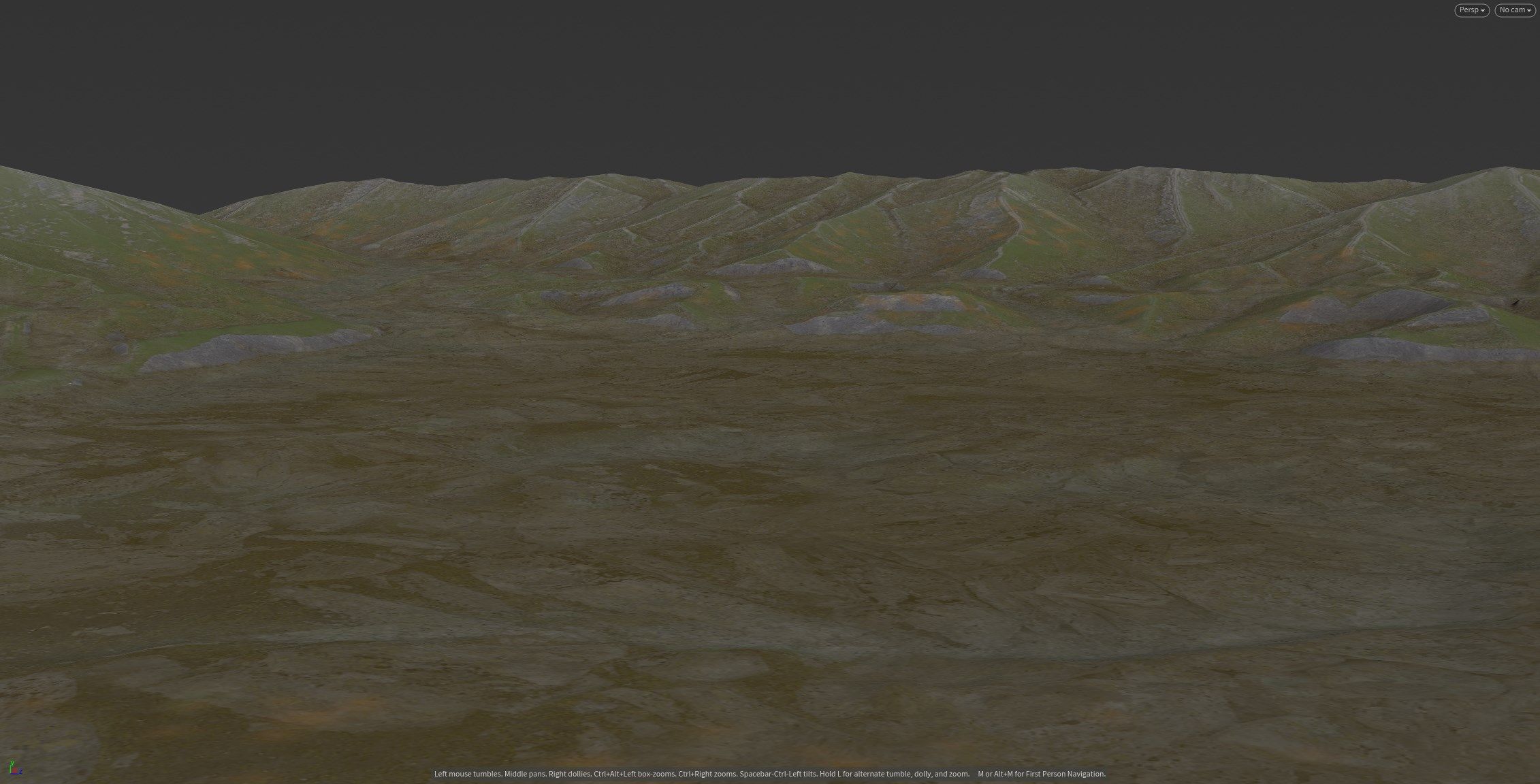
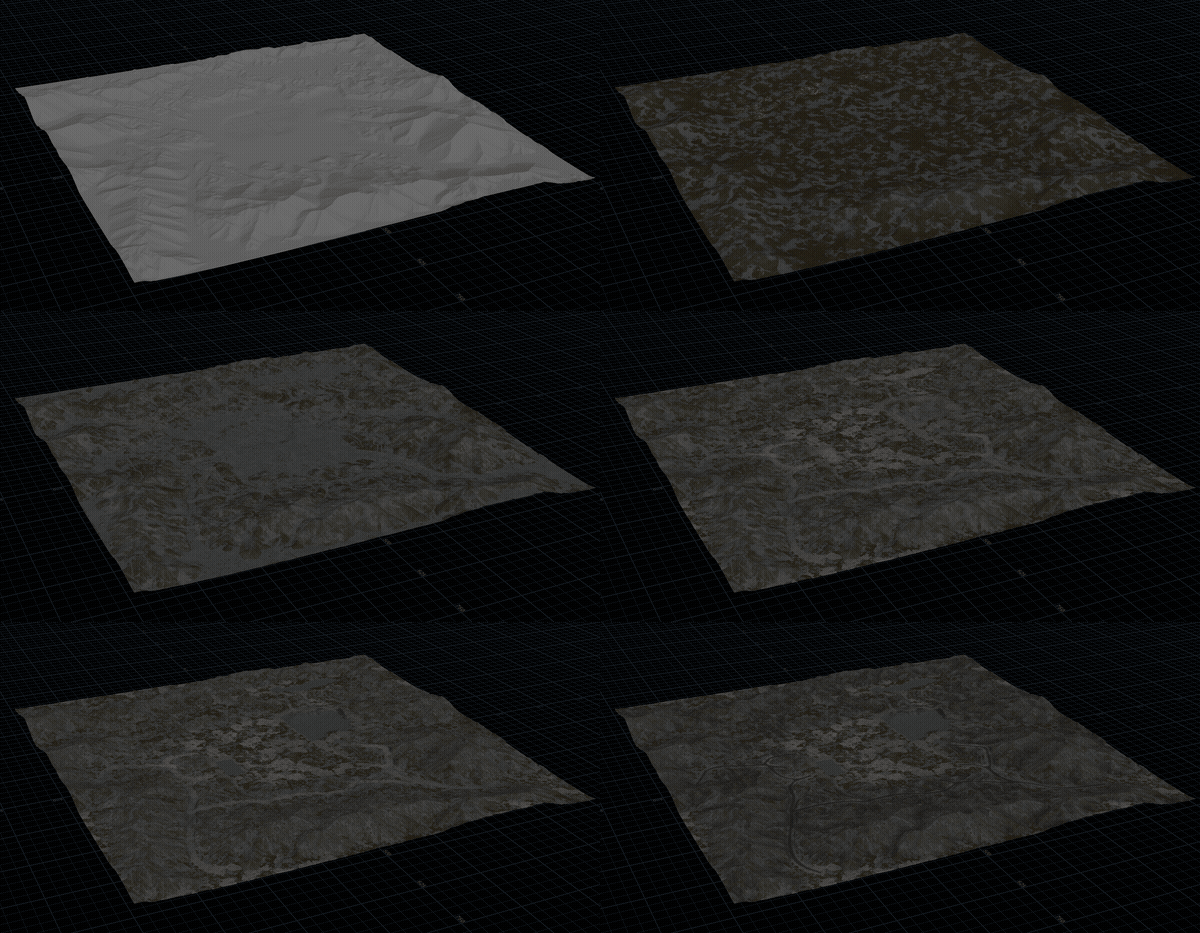
The process started by extracting terrain data directly from the game world and ingesting it into Houdini. This gave a faithful foundation to work from, ensuring the distance vistas would match the actual topology of the game's landscape rather than being hand-sculpted separately and hoping they aligned.
Procedural Terrain Texturing
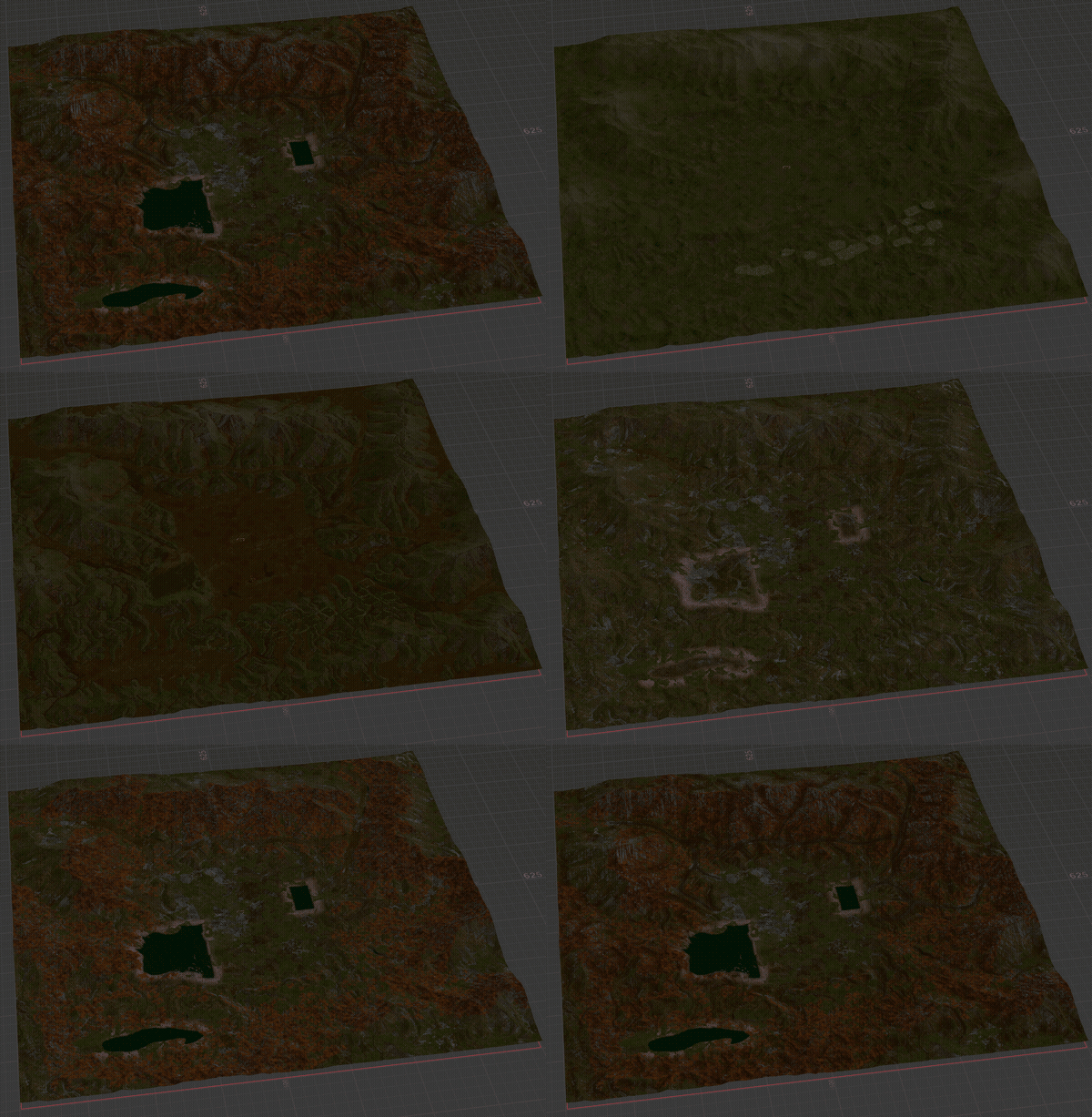
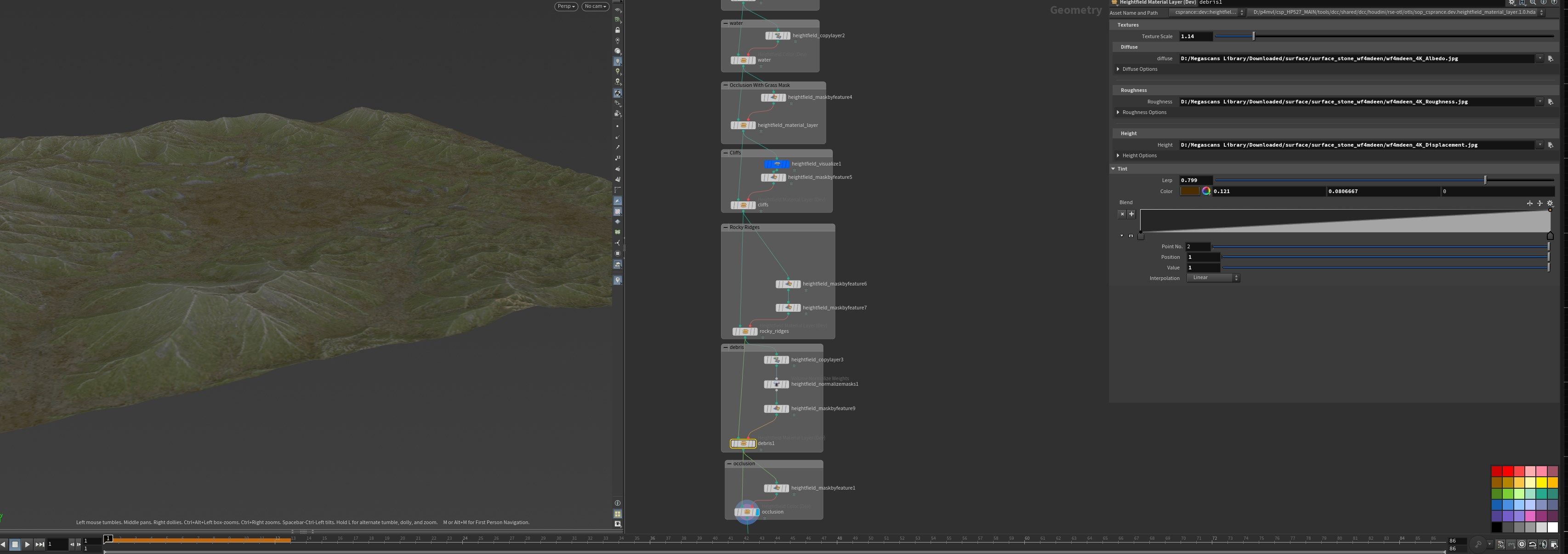
From that heightfield I built a custom Megascans texturing SOP that drove all surface materials procedurally — slope, altitude, curvature, and other heightfield attributes were used to blend rock, soil, snow, and ground cover automatically. No manual texture painting meant iteration was fast and the results stayed consistent across the entire terrain. It also meant changing seasons was just adding a few layers and changing out different textures to generate a new seasonal texture.
Biome-Driven Tree Scattering
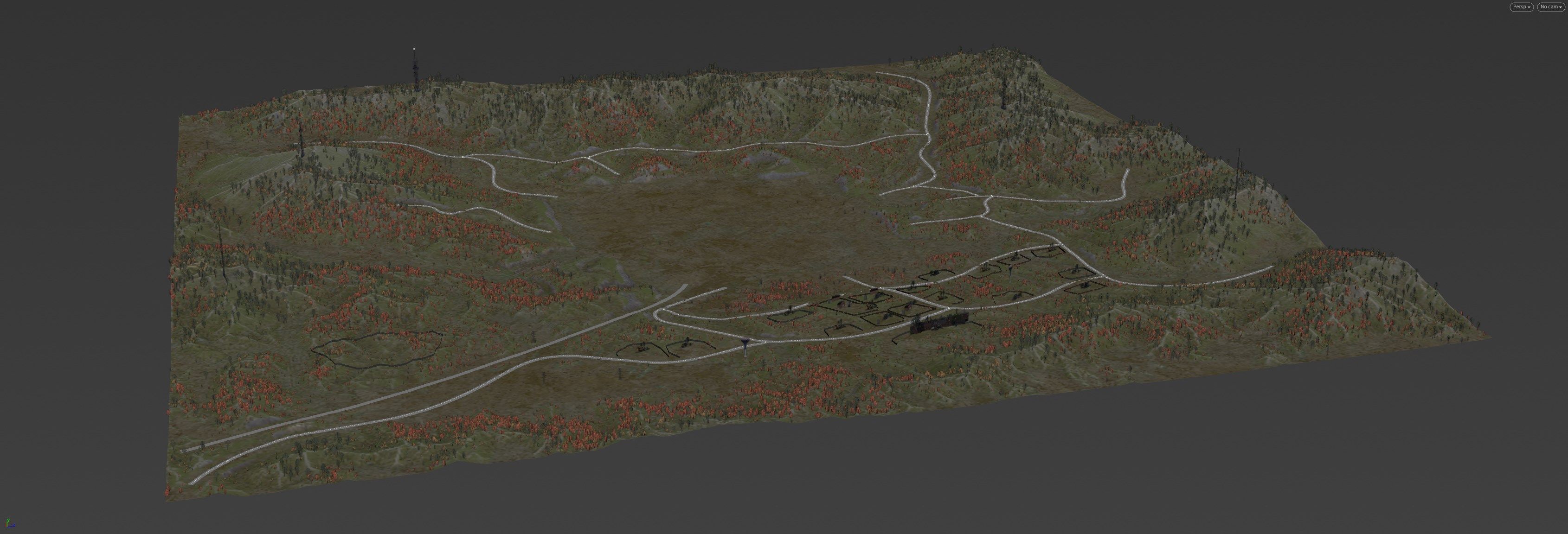
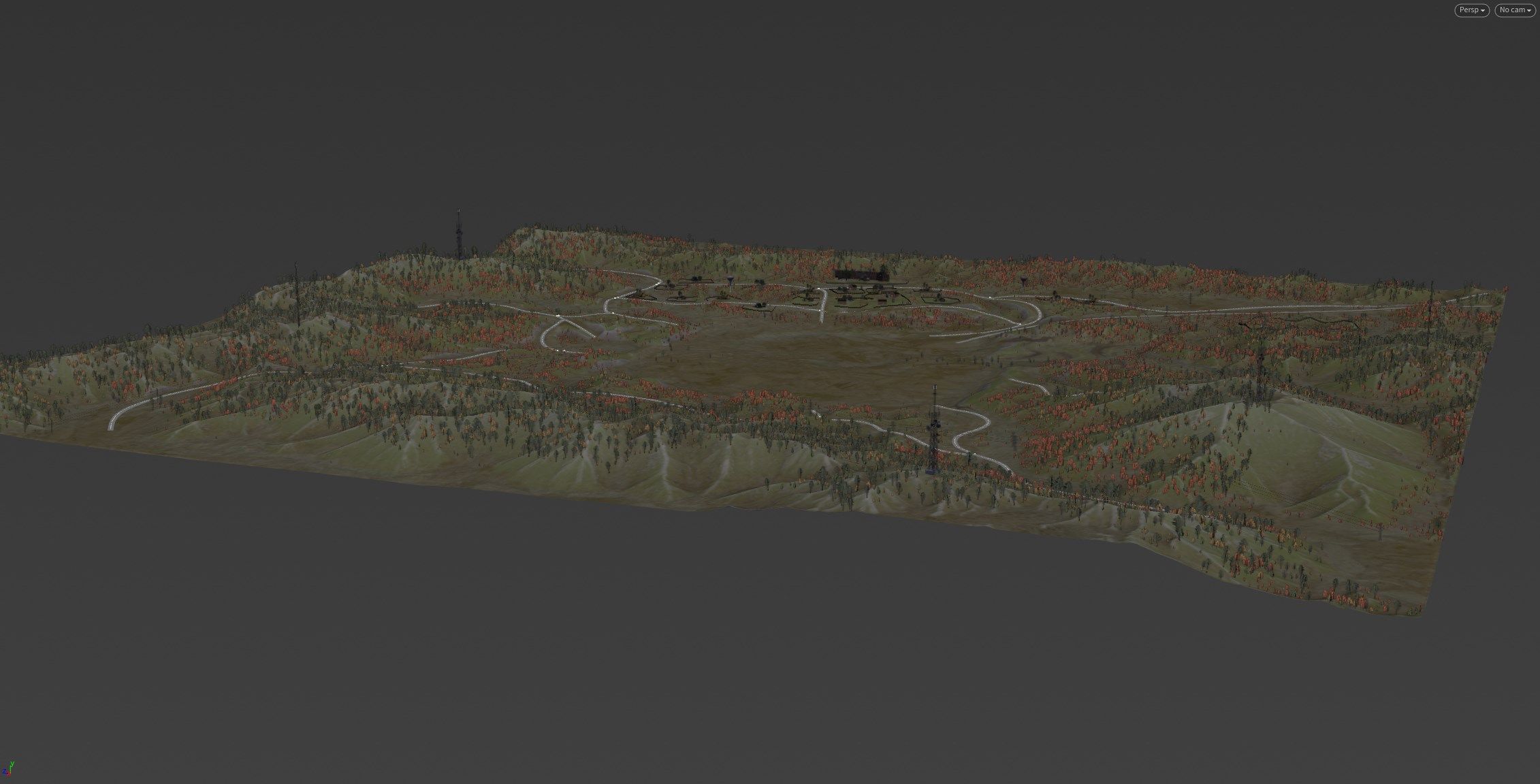
The more interesting challenge was making the vegetation feel ecologically plausible. I built a custom biome system that modeled the survival conditions for different tree species — altitude tolerance, slope preference, moisture zones — and used those rules to scatter trees across the terrain the way they'd actually grow in nature. Different species clustered in the right places, thinned out at treelines, competed with each other and avoided terrain that wouldn't support them.
X-Tree Shader
At distance, full geometry trees are impractical. The solution was low-poly cross-plane (X-tree) meshes paired with a custom shader designed to disguise their planarity. By carefully blending normals, adding parallax-style depth cues, and tuning the silhouette, the trees read as full and dense even under close scrutiny.
Art-Directable SOPs
Finally, a set of geometry placement SOPs allowed artists to hand-place landmarks, rock formations, and other key elements on top of the procedural base — giving the team full art-direction control without losing the procedural foundation. The result blended seamlessly into the engine's terrain at the horizon line.